























Contents
- 1 Digital Journal: Why More People Are Writing Online
- 1.1 What Is a Digital Journal?
- 1.2 Why Journaling Is Evolving
- 1.3 The Psychology Behind Writing Online
- 1.4 Convenience as a Key Driver
- 1.5 Digital Journal vs Traditional Journal
- 1.6 Productivity and Goal Tracking
- 1.7 Digital Journal for Mental Health
- 1.8 Privacy and Personal Control
- 1.9 Creativity and Expression
- 1.10 Building a Consistent Writing Habit
- 1.11 Common Uses of a Digital Journal
- 1.12 The Role of Technology in Self-Reflection
- 1.13 Digital Journaling for Different Life Stages
- 1.14 Searchability and Self-Discovery
- 1.15 Misconceptions About Digital Journals
- 1.16 Is a Digital Journal Right for Everyone?
- 1.17 The Future of Journaling
- 1.18 Conclusion
Digital Journal: Why More People Are Writing Online
Not long ago, journaling meant a quiet corner, a pen, and a notebook tucked away in a drawer. Today, that image is changing fast. More people are opening apps, typing thoughts on laptops, and saving memories in the cloud. The Digital Journal has quietly become part of modern life, and the shift is not accidental. It reflects how we think, work, and process emotions in a digital-first world.
This article takes a deep, honest look at why the Digital Journal is growing in popularity, how it fits into daily routines, and what makes it such a powerful tool for reflection, productivity, and mental clarity. Rather than hype, you will find perspective, practical insight, and real-life relevance.
What Is a Digital Journal?
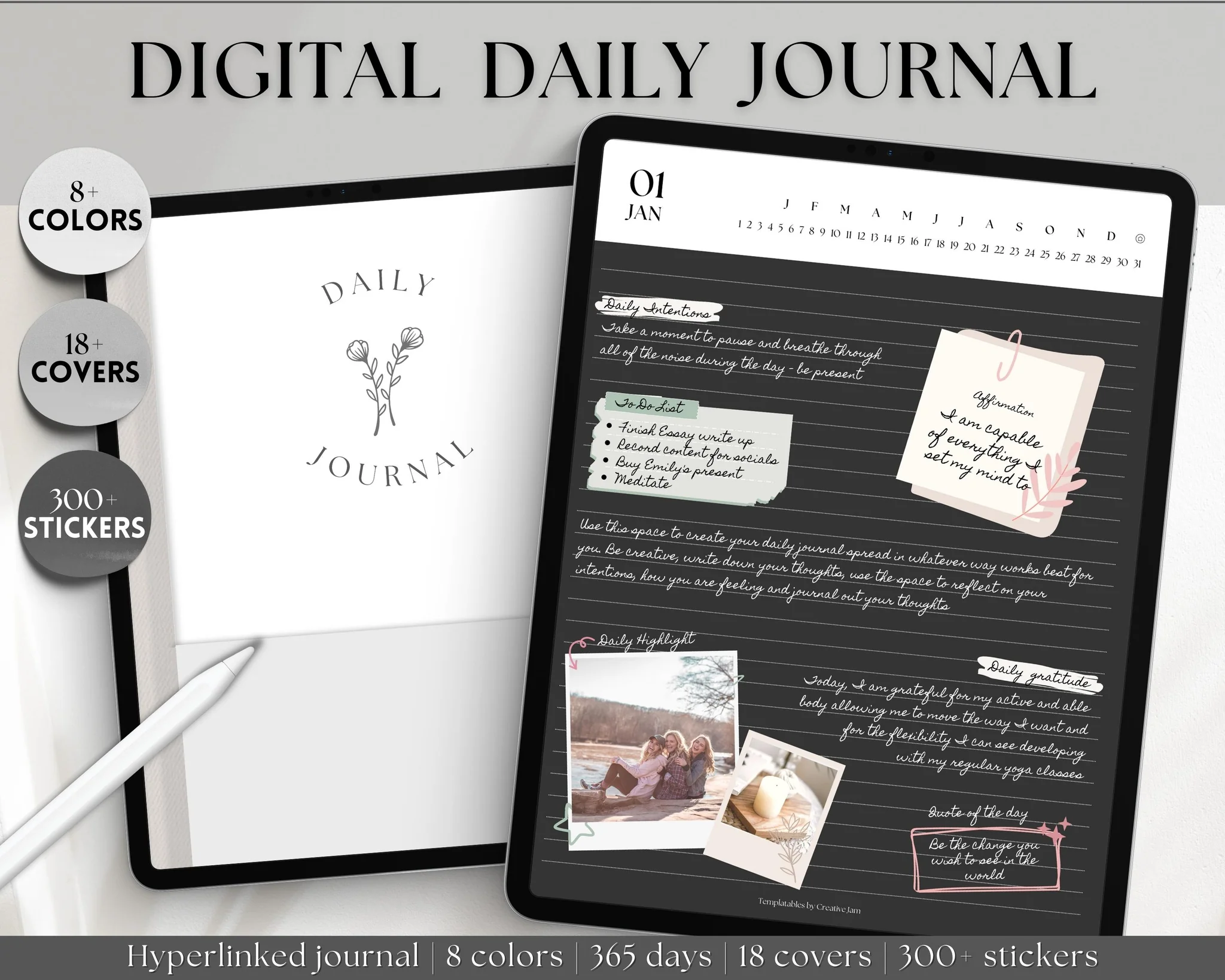
A Digital Journal is simply a personal space for writing, reflection, and record-keeping that exists online or on digital devices. It can live on a smartphone, tablet, computer, or cloud-based platform. Unlike traditional notebooks, a digital journal is searchable, editable, and often accessible from anywhere.
Some people use a Digital Journal for daily thoughts, while others rely on it for goal tracking, gratitude writing, mood logging, or creative expression. The format is flexible, which is part of its appeal.
Why Journaling Is Evolving
The rise of the Digital Journal mirrors broader changes in how we live. Our work, communication, and planning already happen online. Writing followed naturally.
Time constraints also play a role. Many people want the benefits of journaling but struggle to keep up with paper notebooks. A Digital Journal removes friction. You can write during a commute, before bed, or between tasks.
Moreover, modern journaling is no longer just about recording events. It is about self-awareness, emotional health, and personal development. Digital tools make these practices easier to maintain.
The Psychology Behind Writing Online
Writing has long been linked to mental clarity. When thoughts stay trapped in the mind, they often feel heavier. Putting them into words creates distance and perspective.
A Digital Journal enhances this process by allowing instant capture. Ideas, worries, and reflections can be written down the moment they arise. This immediacy supports emotional regulation, stress relief, and mindful awareness.
In addition, digital writing feels less permanent than ink on paper. This subtle difference encourages honesty. People often feel freer to explore difficult emotions when they know they can revise or delete later.
Convenience as a Key Driver
One of the strongest reasons people adopt a Digital Journal is convenience. Devices are always nearby. There is no need to carry an extra notebook or worry about losing pages.
Search functionality is another major advantage. You can look back at old entries, track patterns, or revisit important moments with ease. This transforms journaling from a passive habit into an active self-analysis tool.
Cloud syncing also ensures continuity. Whether you switch devices or travel, your Digital Journal remains accessible.
Digital Journal vs Traditional Journal
This is not about replacing paper entirely. Many people still love the tactile feel of handwriting. However, the Digital Journal offers unique benefits.
Digital journaling is faster, especially for those who type quickly. It allows multimedia integration, such as adding photos, voice notes, or tags. It also supports structure through templates, prompts, and reminders.
Paper journals, by contrast, rely on discipline alone. Digital journals support consistency through notifications and habit tracking.
Productivity and Goal Tracking
A Digital Journal is not only for emotions. Many users integrate productivity systems into their writing routine. Daily planning, weekly reviews, and long-term goals often live in the same space as personal reflections.
This integration creates alignment. When goals and emotions are tracked together, patterns emerge. Motivation increases because progress becomes visible.
Professionals often use a Digital Journal to reflect on workdays, decision-making, and creative ideas. Over time, this builds clarity and confidence.
Digital Journal for Mental Health
Mental health awareness has increased significantly, and journaling is often recommended as a supportive practice. A Digital Journal provides a private, judgment-free space to process feelings.
Mood tracking, gratitude lists, and reflection prompts help users become more aware of emotional patterns. This awareness can improve coping strategies and emotional resilience.
Importantly, digital journaling feels accessible. There is no pressure to write perfectly. Short entries still count, which lowers resistance and encourages consistency.
Privacy and Personal Control
Privacy is a common concern when writing online. A well-managed Digital Journal respects personal boundaries. Many platforms offer password protection, encryption, or offline modes.
Users also control what they write and how they store it. Unlike social media, a Digital Journal is not about performance or validation. It is about personal truth.
This sense of ownership strengthens trust and encourages deeper reflection.
Creativity and Expression
A Digital Journal supports creative expression beyond words. Writers, artists, and thinkers use it as a space to explore ideas freely.
You can experiment with writing styles, brainstorm concepts, or record inspiration without structure. This flexibility nurtures creativity and reduces fear of mistakes.
For many creatives, the Digital Journal becomes a thinking partner rather than just a record.
Building a Consistent Writing Habit
Consistency is where many journaling attempts fail. The Digital Journal lowers barriers by fitting into existing routines.
Notifications, reminders, and streak tracking help users build habits gradually. Writing for five minutes a day becomes achievable, even during busy periods.
Moreover, digital journaling adapts to energy levels. Some days may include long reflections, others just a sentence. Both count.
Common Uses of a Digital Journal
People use Digital Journals in many ways, including:
Daily reflections and personal thoughts
Gratitude journaling for positivity
Goal setting and progress tracking
Mental health check-ins
Creative writing and idea storage
Learning notes and self-education
Work reflections and career planning
This versatility makes the Digital Journal relevant across age groups and lifestyles.
The Role of Technology in Self-Reflection
Technology often gets blamed for distraction, yet tools like the Digital Journal show another side. When used intentionally, technology can support self-awareness and depth.
Writing online does not have to be rushed. It can be mindful, reflective, and meaningful. The key lies in how the tool is used, not the tool itself.
The Digital Journal becomes a mirror, showing patterns over time and helping users understand themselves better.
Digital Journaling for Different Life Stages
Students use Digital Journals to manage stress, track learning, and reflect on growth. Professionals rely on them for clarity, planning, and emotional balance.
Parents use journaling to process daily challenges and document family memories. Retirees use it to reflect, learn, and stay mentally active.
The Digital Journal adapts to each stage, which explains its widespread appeal.
Searchability and Self-Discovery
One underrated benefit of a Digital Journal is searchability. You can search keywords like anxiety, success, or gratitude and see how your mindset evolved.
This ability transforms journaling into a long-term self-study project. It reveals growth, recurring challenges, and shifting priorities.
Over time, users often gain a deeper understanding of themselves through this digital archive.
Misconceptions About Digital Journals
Some believe digital journaling feels impersonal. In reality, intimacy comes from honesty, not medium.
Others worry that typing removes emotional connection. Yet many people report feeling more expressive when typing freely.
The Digital Journal is not meant to replace all forms of reflection. It is simply another powerful option.
Is a Digital Journal Right for Everyone?
Not everyone prefers digital writing, and that is fine. However, for those who enjoy structure, accessibility, and flexibility, the Digital Journal offers unmatched advantages.
Trying it does not require commitment. Many users start casually and discover unexpected value over time.
The key is intention. When writing serves a purpose, the medium becomes secondary.
The Future of Journaling
As digital life continues to evolve, journaling will evolve with it. The Digital Journal is likely to become more personalized, intuitive, and integrated into daily routines.
What will not change is the human need to reflect, understand, and grow. Journaling, whether digital or paper-based, fulfills that need.
Conclusion
The rise of the Digital Journal is not a trend driven by novelty. It reflects a deeper shift toward intentional living in a connected world. People want tools that support clarity, growth, and emotional balance without adding pressure.
A Digital Journal offers convenience, privacy, flexibility, and depth. It meets people where they are and grows with them over time.
If you have tried digital journaling, your experience may inspire others. Sharing insights, reflections, or even challenges helps build a more thoughtful conversation around modern self-expression.