
























Contents
- 1 Simple Ways to Increase Employee Engagement Today
- 1.1 Why Employee Engagement Matters
- 1.2 Key Factors That Influence Employee Engagement
- 1.3 Simple Ways to Increase Employee Engagement Today
- 1.3.1 1. Recognize and Celebrate Achievements
- 1.3.2 2. Provide Clear Goals and Expectations
- 1.3.3 3. Offer Professional Development Opportunities
- 1.3.4 4. Foster a Positive Work Culture
- 1.3.5 5. Encourage Work-Life Balance
- 1.3.6 6. Give Employees a Voice
- 1.3.7 7. Provide Meaningful Work
- 1.3.8 8. Build Strong Relationships
- 1.3.9 9. Reward and Incentivize Performance
- 1.3.10 10. Lead by Example
- 1.4 Table: Quick Reference of Employee Engagement Strategies
- 1.5 Conclusion
Simple Ways to Increase Employee Engagement Today
Employee engagement is the heartbeat of any successful organization. When employees feel motivated, valued, and connected to their work, productivity soars, turnover drops, and workplace culture thrives. Yet, many companies struggle with low engagement levels, leading to disengaged employees and lost opportunities.
The good news is that improving engagement doesn’t require complex programs or expensive perks. With the right strategies, leaders can foster a motivated and committed workforce quickly. In this article, we’ll explore simple ways to increase employee engagement today, practical tips you can implement immediately, and the underlying reasons these strategies work.
Why Employee Engagement Matters
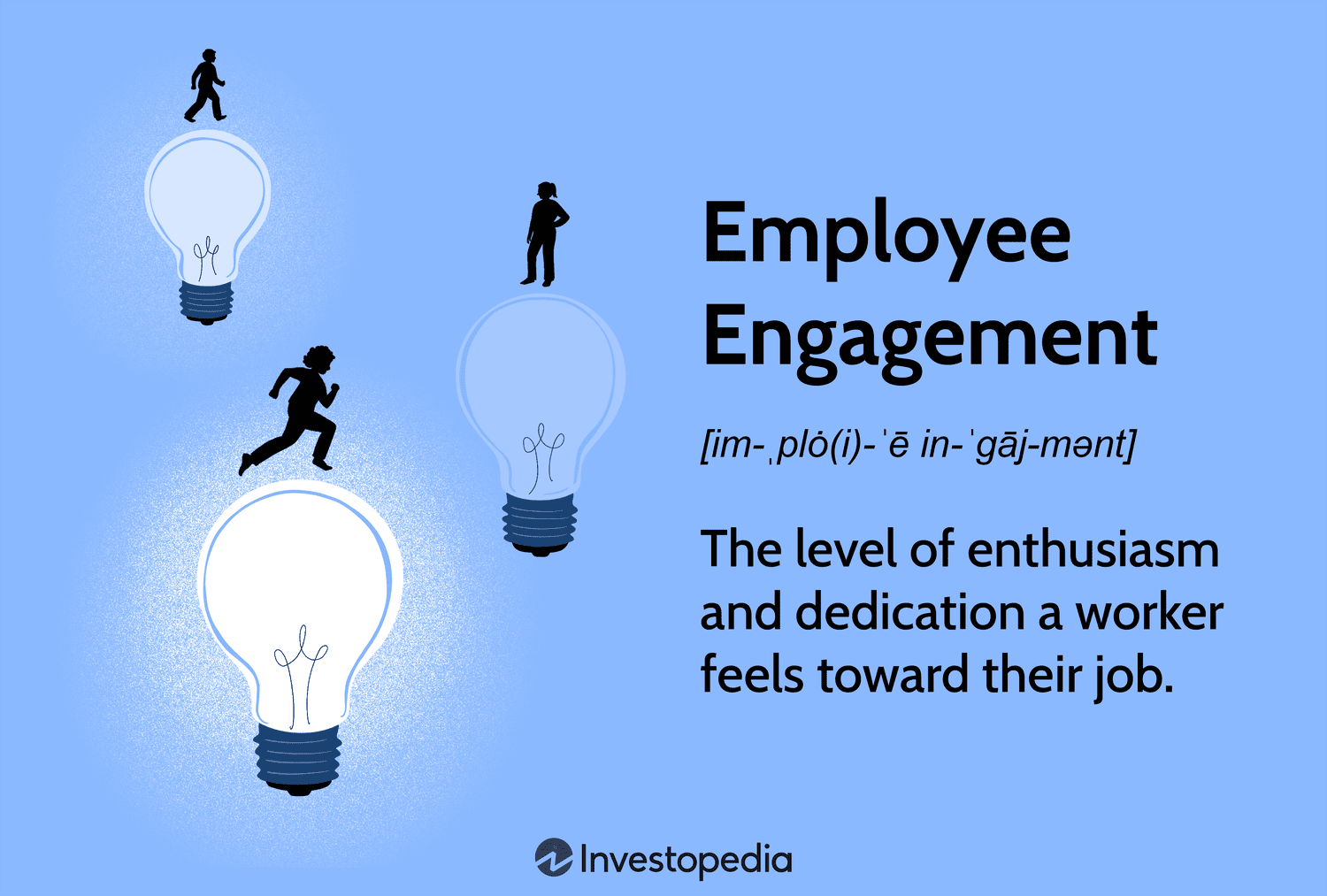
Employee engagement goes beyond job satisfaction. Engaged employees are emotionally invested in their work and committed to the company’s goals. They are proactive, collaborative, and resilient during challenges.
Benefits of Strong Employee Engagement:
-
Higher Productivity: Engaged employees take initiative and deliver better results.
-
Lower Turnover: Recognition and involvement keep employees loyal.
-
Improved Morale: Engagement creates a positive workplace culture.
-
Greater Innovation: Motivated employees contribute ideas freely.
-
Customer Satisfaction: Happy employees lead to happy clients.
Research consistently shows that companies with highly engaged teams outperform competitors financially and culturally.
Key Factors That Influence Employee Engagement
Before diving into strategies, it’s essential to understand what drives engagement. Leaders who focus on these areas can create lasting impact:
-
Recognition and Appreciation: Regular acknowledgment of contributions boosts motivation.
-
Clear Communication: Employees need clarity about goals, expectations, and feedback.
-
Professional Growth: Opportunities for skill development and career advancement increase engagement.
-
Work-Life Balance: Respecting personal time reduces burnout and promotes satisfaction.
-
Meaningful Work: Employees engage when their work aligns with purpose and impact.
-
Trust and Inclusion: A culture of transparency and collaboration fosters loyalty.
Simple Ways to Increase Employee Engagement Today
Here are actionable strategies that any organization can implement immediately to improve employee engagement.
1. Recognize and Celebrate Achievements
Recognition is one of the simplest and most effective ways to boost engagement. Celebrate milestones, project completions, and individual contributions.
Ideas:
-
Public shout-outs in meetings.
-
Personalized emails or handwritten notes.
-
Recognition boards or “Employee of the Month” programs.
2. Provide Clear Goals and Expectations
Employees thrive when they know what is expected and how their work contributes to company objectives. Set SMART (Specific, Measurable, Achievable, Relevant, Time-bound) goals to ensure clarity.
Tips:
-
Regularly review objectives with team members.
-
Align individual goals with organizational strategy.
-
Provide constructive feedback to keep progress on track.
3. Offer Professional Development Opportunities
Employees want to grow in their careers. Providing training, mentorship, and skill-building opportunities demonstrates investment in their future.
Approaches:
-
Online courses and certifications.
-
Mentorship programs with senior staff.
-
Opportunities to attend conferences or workshops.
4. Foster a Positive Work Culture
A healthy work environment encourages collaboration, innovation, and loyalty. Promote values such as respect, transparency, and inclusivity.
Strategies:
-
Encourage team-building activities.
-
Create spaces for open communication.
-
Celebrate team successes regularly.
5. Encourage Work-Life Balance
Employees who feel overworked or stressed are less engaged. Supporting work-life balance improves motivation and reduces burnout.
Practical Tips:
-
Flexible schedules or remote work options.
-
Encourage regular breaks and vacations.
-
Promote wellness initiatives like yoga, mindfulness, or exercise programs.
6. Give Employees a Voice
Engaged employees want to feel heard. Solicit input, listen to ideas, and involve employees in decision-making.
Methods:
-
Regular surveys or feedback sessions.
-
Suggestion boxes or digital forums.
-
Collaborative planning meetings.
7. Provide Meaningful Work
Employees engage more when their tasks align with purpose. Help them see the impact of their contributions on the team, organization, and clients.
Implementation:
-
Share stories of company success that employees helped achieve.
-
Assign projects that leverage strengths and passions.
-
Recognize individual contributions to the bigger picture.
8. Build Strong Relationships
Connection with colleagues and leaders fosters engagement. Encourage networking, mentoring, and camaraderie within teams.
Ideas:
-
Peer recognition programs.
-
Social events or informal team gatherings.
-
Regular check-ins and one-on-one meetings.
9. Reward and Incentivize Performance
Incentives, both financial and non-financial, reinforce positive behavior and engagement.
Examples:
-
Performance bonuses or gift cards.
-
Extra days off for outstanding contributions.
-
Public acknowledgment in company communications.
10. Lead by Example
Leadership behavior sets the tone for employee engagement. Leaders who demonstrate integrity, accountability, and enthusiasm inspire their teams.
Key Actions:
-
Model open communication and transparency.
-
Show appreciation consistently.
-
Demonstrate commitment to the company mission.
Table: Quick Reference of Employee Engagement Strategies
| Strategy | Practical Tip | Expected Outcome |
|---|---|---|
| Recognition & Appreciation | Shout-outs, notes, awards | Boosts morale and motivation |
| Clear Goals & Expectations | SMART goals and regular feedback | Increases focus and accountability |
| Professional Development | Training, mentorship, workshops | Enhances skills and retention |
| Positive Work Culture | Team-building, open communication | Improves collaboration |
| Work-Life Balance | Flexible schedules, wellness initiatives | Reduces burnout, boosts satisfaction |
| Employee Voice | Surveys, meetings, forums | Encourages innovation and loyalty |
| Meaningful Work | Align tasks with impact and strengths | Increases engagement and purpose |
| Strong Relationships | Peer recognition, social events | Strengthens teamwork and trust |
| Rewards & Incentives | Bonuses, gifts, acknowledgment | Reinforces performance |
| Lead by Example | Model behavior, appreciation, integrity | Inspires commitment and engagement |
Conclusion
Employee engagement is the foundation of high-performing teams. By applying simple ways to increase employee engagement today, leaders can inspire motivation, loyalty, and productivity. From recognition and clear goals to professional development and a positive work culture, these strategies are practical, effective, and impactful.
When employees feel valued, heard, and connected to meaningful work, they invest their best efforts into achieving both personal and organizational goals. Start implementing these strategies today to cultivate a motivated workforce, reduce turnover, and drive sustainable success.