
























Contents
- 1 Crucial Conversations Book Summary: Key Lessons That Work
- 1.1 What Is the Crucial Conversations Book About?
- 1.2 Why Crucial Conversations Matter More Than You Think
- 1.3 The Core Idea: Safety Comes First
- 1.4 Master Your Stories
- 1.5 Start With Heart
- 1.6 Make It Safe to Talk
- 1.7 Speak Persuasively, Not Aggressively
- 1.8 Learn to Listen Under Pressure
- 1.9 Silence and Violence: Recognizing Breakdown Patterns
- 1.10 Emotions Are Data, Not Enemies
- 1.11 Decision Making in Groups
- 1.12 Applying the Lessons at Work
- 1.13 Applying the Lessons in Personal Relationships
- 1.14 Why the Crucial Conversations Book Works
- 1.15 Common Misunderstandings About the Book
- 1.16 Who Should Read the Crucial Conversations Book?
- 1.17 Key Takeaways at a Glance
- 1.18 Final Thoughts: Conversations Shape Your Life
Crucial Conversations Book Summary: Key Lessons That Work
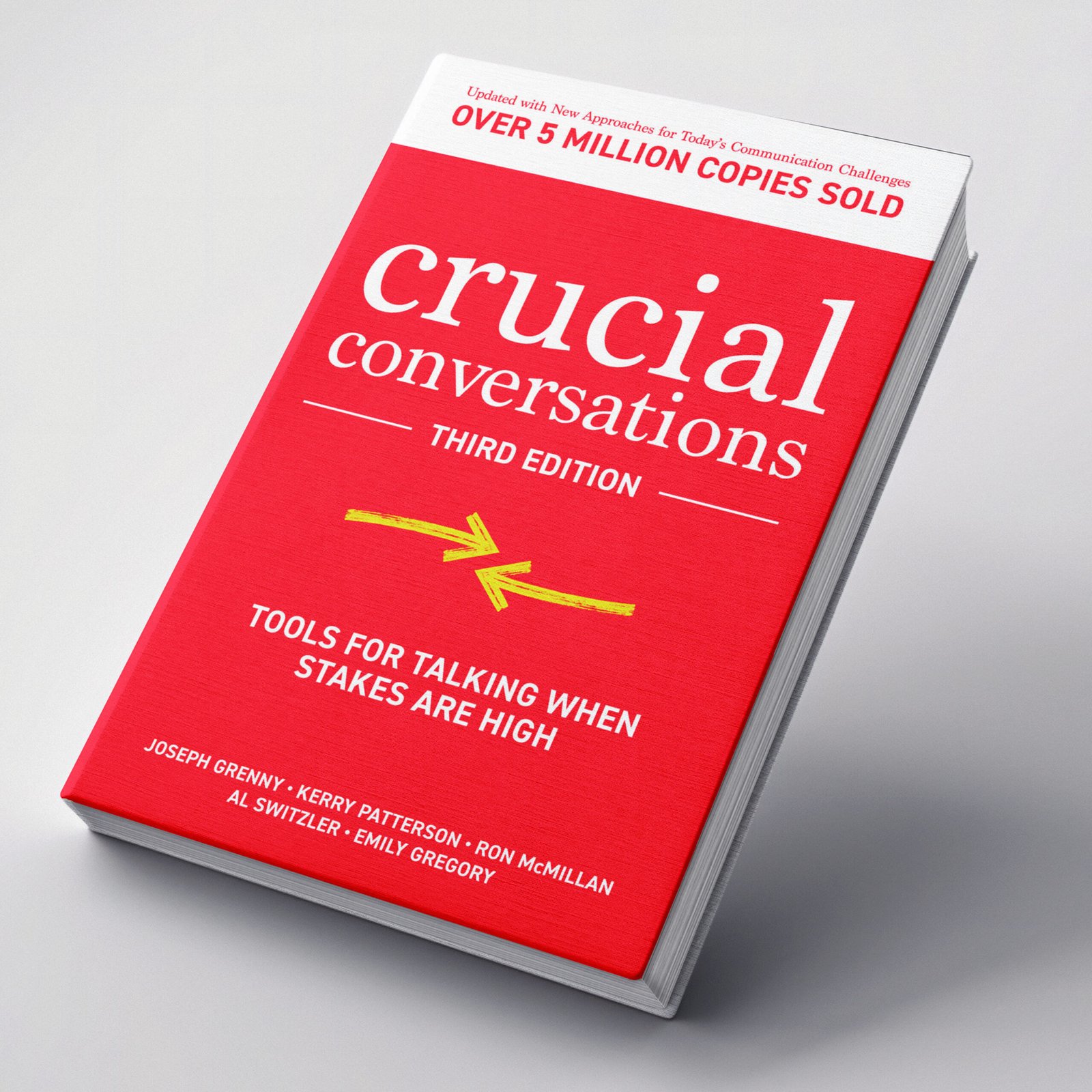
Everyday life is full of conversations that seem small on the surface but carry serious weight underneath. A discussion with your boss about performance, a disagreement with your partner, a tense meeting with colleagues, or even a difficult talk with a close friend. These moments often decide relationships, careers, and trust. The Crucial Conversations Book focuses exactly on these moments, the ones where opinions differ, emotions run high, and the outcome truly matters.
What makes this book stand out is not theory for theory’s sake. It is practical, grounded, and surprisingly human. Instead of telling you to “communicate better,” it explains why people freeze, explode, or shut down under pressure, and what to do differently when it counts most. This summary breaks down the key lessons that actually work in real life, not just on paper.
What Is the Crucial Conversations Book About?
At its core, the Crucial Conversations Book teaches how to handle high-stakes conversations effectively. These are moments when:
- Stakes are high
- Opinions differ
- Emotions are strong
The authors explain that most people fail in these moments not because they lack intelligence or good intentions, but because stress hijacks behavior. The book offers tools to stay calm, speak honestly, and keep conversations productive instead of destructive.
Unlike many communication books, this one does not rely on vague advice. It breaks communication down into observable skills that can be practiced and improved.
Why Crucial Conversations Matter More Than You Think
Small conversations shape big outcomes. The book emphasizes that failed crucial conversations often lead to:
- Broken relationships
- Workplace conflict
- Missed opportunities
- Long-term resentment
On the other hand, people who handle crucial conversations well tend to enjoy:
- Better leadership results
- Stronger personal relationships
- Higher trust at work
- Less stress and misunderstanding
The Crucial Conversations Book makes a bold but convincing claim. Your success is closely tied to how well you handle these moments.
The Core Idea: Safety Comes First
One of the most important lessons in the Crucial Conversations Book is the concept of psychological safety. People do not communicate openly when they feel attacked, judged, or threatened.
What Does Safety Mean in a Conversation?
Safety means that everyone involved feels:
- Respected
- Heard
- Free to share ideas
When safety disappears, conversations break down. People either move to silence or violence. Silence includes avoiding the topic, withdrawing, or agreeing without meaning it. Violence includes attacking, blaming, or dominating the conversation.
The book teaches that restoring safety is not about being nice. It is about creating an environment where honest dialogue can happen.
Master Your Stories
Another powerful concept from the Crucial Conversations Book is learning to separate facts from stories. Humans naturally create stories to explain behavior. The problem is that these stories are often inaccurate and emotionally charged.
Facts vs. Stories
Facts are what you can see or hear. Stories are the meaning you assign to those facts.
For example:
- Fact: A colleague missed a deadline.
- Story: They do not respect your time.
The book encourages readers to slow down and question their stories. By doing this, you regain emotional control and respond with clarity instead of assumption.
Start With Heart
“Start with heart” is one of the most quoted ideas from the Crucial Conversations Book. It means focusing on what you really want before speaking.
Instead of entering a conversation to win, punish, or prove a point, the book suggests asking yourself:
- What do I want for myself?
- What do I want for the other person?
- What do I want for the relationship?
This shift in mindset dramatically changes how conversations unfold. It replaces ego-driven reactions with purpose-driven dialogue.
Make It Safe to Talk
Once emotions rise, people stop listening. The book explains how to make conversations safe again by using two main tools:
- Mutual respect
- Mutual purpose
Mutual Respect
Respect does not mean agreement. It means acknowledging the other person’s value. The Crucial Conversations Book suggests showing respect even when you strongly disagree.
Mutual Purpose
When people believe you share a common goal, they become more open. Clarifying mutual purpose often diffuses tension instantly.
Speak Persuasively, Not Aggressively
The book introduces a structured way to share your views honestly without triggering defensiveness. This includes:
- Sharing facts first
- Telling your story carefully
- Asking for others’ perspectives
By focusing on observable behavior rather than accusations, conversations stay productive.
Learn to Listen Under Pressure
Listening is easy when things are calm. It becomes difficult when emotions rise. The Crucial Conversations Book teaches active listening skills that help people feel understood even during conflict.
Key listening techniques include:
- Paraphrasing
- Asking open-ended questions
- Acknowledging emotions
These skills signal respect and curiosity, reducing defensiveness.
Silence and Violence: Recognizing Breakdown Patterns
A major contribution of the Crucial Conversations Book is identifying unhealthy communication patterns. People tend to react in predictable ways when stressed.
Common Silence Behaviors
- Avoiding sensitive topics
- Withholding opinions
- Agreeing falsely
Common Violence Behaviors
- Controlling the conversation
- Attacking others
- Using sarcasm or blame
Recognizing these patterns in yourself is the first step toward changing them.
Emotions Are Data, Not Enemies
Rather than suppressing emotions, the Crucial Conversations Book treats emotions as signals. Strong emotions indicate important issues. Ignoring them leads to unresolved conflict.
The key is learning to express emotions without letting them control the conversation. This balance allows honesty without harm.
Decision Making in Groups
The book also addresses group decision-making. Poor communication often leads to unclear decisions, weak commitment, and lack of accountability.
Effective group dialogue includes:
- Clear options
- Open discussion
- Defined decisions
The Crucial Conversations Book emphasizes that agreement is not required, but clarity is essential.
Applying the Lessons at Work
In professional settings, crucial conversations happen daily. Performance reviews, feedback sessions, negotiations, and leadership discussions all benefit from these skills.
Practical workplace applications include:
- Giving constructive feedback
- Addressing underperformance
- Navigating office conflict
- Leading difficult meetings
Managers who apply these principles often see higher engagement and trust.
Applying the Lessons in Personal Relationships
The Crucial Conversations Book is equally powerful in personal life. Family discussions, romantic relationships, and friendships all involve emotional stakes.
These skills help with:
- Resolving long-standing issues
- Expressing unmet needs
- Preventing resentment
- Strengthening trust
By focusing on safety and honesty, conversations become opportunities for connection rather than conflict.
Why the Crucial Conversations Book Works
Many communication books fail because they oversimplify human behavior. This book works because it acknowledges complexity. People are emotional, defensive, and imperfect. The tools are designed for real humans, not ideal situations.
Reasons the Crucial Conversations Book remains relevant:
- Practical frameworks
- Real-world examples
- Behavioral psychology insights
- Adaptability across contexts
It does not promise perfect conversations. It promises better ones.
Common Misunderstandings About the Book
Some readers assume the book teaches conflict avoidance. It does not. In fact, it encourages directness. Others think it promotes emotional suppression. Again, incorrect. It promotes emotional awareness and responsibility.
The goal is not comfort. The goal is progress.
Who Should Read the Crucial Conversations Book?
This book is valuable for:
- Leaders and managers
- Professionals at any level
- Couples and families
- Anyone struggling with conflict
If you have ever avoided a conversation because it felt risky, this book was written for you.
Key Takeaways at a Glance
Some of the most practical lessons include:
- Safety is the foundation of dialogue
- Facts matter more than assumptions
- Emotions should be understood, not ignored
- Listening is a skill under pressure
- Purpose guides productive conversations
These principles are simple but powerful.
Final Thoughts: Conversations Shape Your Life
The Crucial Conversations Book delivers a clear message. The quality of your life depends on the quality of your conversations. Avoiding hard talks does not protect relationships. It slowly damages them.
By learning to stay calm, honest, and respectful when it matters most, you gain influence without force and clarity without conflict. These are not just communication skills. They are life skills.
If this summary helped clarify the core lessons, consider reflecting on one conversation you have been avoiding. Apply even one principle from the Crucial Conversations Book, and notice the difference. Share your experience, discuss these ideas, and keep the conversation going.