






















Contents
- 1 Why Christopher Nolan Redefined Storytelling in Film
- 1.1 Who Is Christopher Nolan?
- 1.2 BIO: Christopher Nolan at a Glance
- 1.3 Early Career and Creative Foundations
- 1.4 Non-Linear Storytelling as a Signature
- 1.5 Trusting the Audience
- 1.6 Emotional Depth Beneath Complexity
- 1.7 Reinventing the Blockbuster
- 1.8 Practical Effects and Immersion
- 1.9 Collaboration and Consistency
- 1.10 The Dark Knight Trilogy: A Turning Point
- 1.11 Original Stories in a Franchise World
- 1.12 Sound, Music, and Narrative Rhythm
- 1.13 Influence on Modern Cinema
- 1.14 Criticism and Balance
- 1.15 Why Christopher Nolan Still Matters
- 1.16 Conclusion: The Storyteller Who Changed the Rules
Why Christopher Nolan Redefined Storytelling in Film
Some filmmakers entertain. Others impress. A rare few fundamentally change how stories are told. Christopher Nolan belongs firmly in that last category. His films don’t just play out on the screen; they challenge the audience to lean forward, question time, memory, identity, and reality itself. Watching a Nolan film is rarely passive. It’s an experience that demands attention, curiosity, and sometimes even a second viewing.
Over the past two decades, Christopher Nolan has redefined cinematic storytelling by trusting audiences to think, feel, and engage deeply. He has proven that complex narratives can thrive in mainstream cinema without sacrificing emotional weight or commercial success. This article explores how and why Christopher Nolan reshaped modern film storytelling, and why his influence continues to shape the industry today.
Who Is Christopher Nolan?
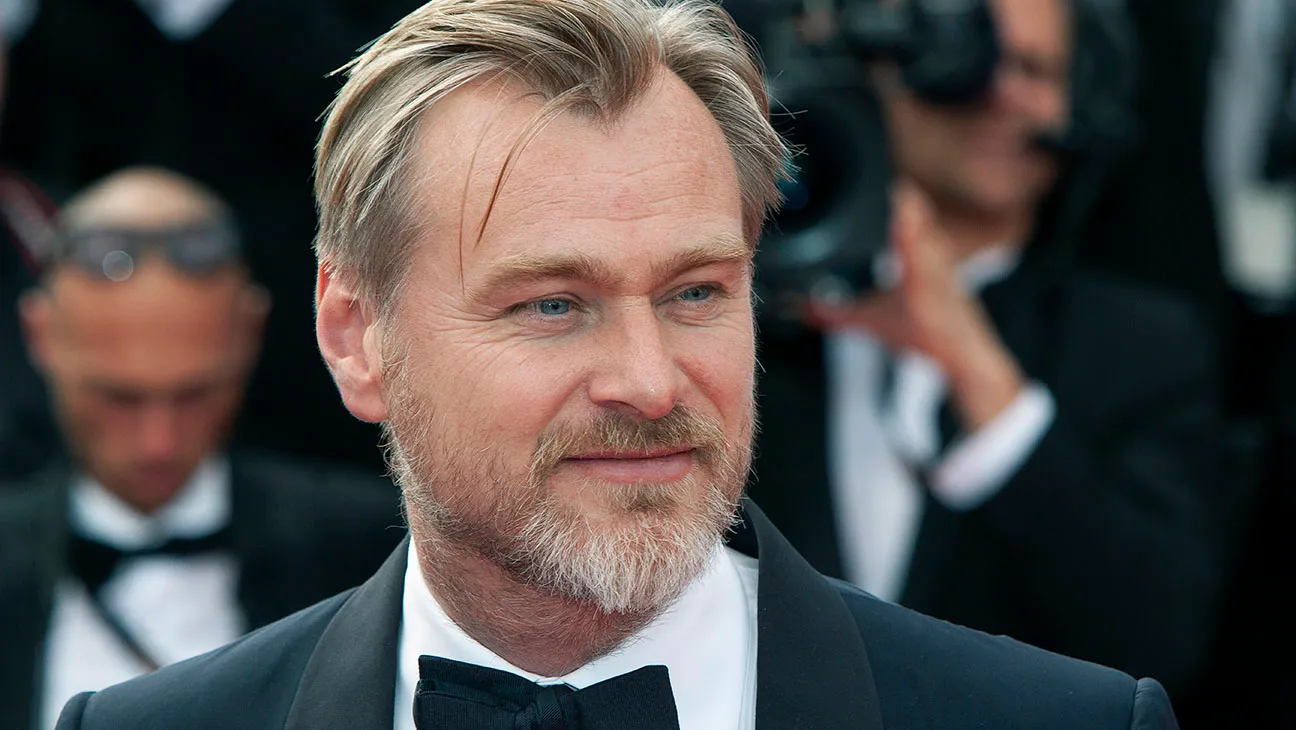
Before diving into his narrative techniques, it’s important to understand the man behind the camera. Christopher Nolan is not a typical Hollywood director. He avoids social media, rarely explains his films outright, and prefers practical filmmaking over digital shortcuts. These choices are not accidental; they reflect his philosophy of storytelling.
Nolan believes cinema should respect the intelligence of its audience. That belief has guided every major creative decision in his career.
BIO: Christopher Nolan at a Glance
| Category | Details |
|---|---|
| Full Name | Christopher Edward Nolan |
| Date of Birth | July 30, 1970 |
| Age | 54 (as of 2025) |
| Profession | Film Director, Screenwriter, Producer |
| Nationality | British-American |
| Net Worth (approx.) | $250 million |
| Notable Works / Achievements | Inception, The Dark Knight Trilogy, Interstellar, Oppenheimer |
Early Career and Creative Foundations
Christopher Nolan’s rise did not begin with massive budgets or studio backing. His early work was shaped by limitations, and those limitations became strengths.
Learning to Tell Stories Differently
Nolan’s breakout film introduced audiences to non-linear storytelling in a way that felt both daring and accessible. Instead of following a traditional beginning-middle-end structure, he fractured time itself. This wasn’t a gimmick. It was storytelling aligned with theme.
From the start, Christopher Nolan demonstrated that structure could be meaning, not just a container for it.
Non-Linear Storytelling as a Signature
One of the most defining elements of Christopher Nolan’s work is his use of non-linear narratives. However, unlike many directors who use fragmented timelines for style alone, Nolan uses them to deepen emotional and psychological impact.
Why Time Matters in Nolan Films
Time is not just a background element in Nolan’s stories. It is a central character. He bends it, compresses it, stretches it, and reverses it to explore:
- Memory and identity
- Regret and consequence
- Cause and effect
- Human perception
- By manipulating time, Christopher Nolan forces viewers to experience confusion, urgency, or reflection alongside the characters.
Trusting the Audience
Perhaps Nolan’s most radical contribution to storytelling is his refusal to overexplain. In an industry increasingly driven by exposition and simplification, Christopher Nolan assumes his audience is capable.
Minimal Hand-Holding
Nolan films often:
- Drop viewers into complex situations
- Avoid excessive exposition
- Use visual storytelling over dialogue
- Leave certain questions unanswered
This approach creates a sense of partnership between filmmaker and audience. You are not being told a story; you are uncovering it.
Emotional Depth Beneath Complexity
A common criticism is that Nolan films are intellectually impressive but emotionally distant. However, a closer look reveals the opposite. Beneath the intricate plots lie deeply human stories.
Core Emotional Themes
Across his filmography, Christopher Nolan repeatedly explores:
- Loss and grief
- Guilt and redemption
- Love and sacrifice
- Obsession and identity
These themes ground even the most complex narratives. Without them, the films would feel cold. With them, they resonate long after the credits roll.
Reinventing the Blockbuster
Before Christopher Nolan, big-budget films often prioritized spectacle over substance. Nolan proved that blockbuster cinema could be smart, serious, and emotionally layered.
A New Standard for Big Films
His work demonstrated that:
- Audiences will embrace complexity
- Philosophical themes can coexist with action
- Original ideas can succeed commercially
- Visual spectacle doesn’t require mindless storytelling
This shift influenced an entire generation of filmmakers and studios.
Practical Effects and Immersion
Another key element of Nolan’s storytelling philosophy is realism, even in fantastical scenarios. He favors practical effects, real locations, and physical sets whenever possible.
Why This Matters for Storytelling
Practical filmmaking enhances immersion. When environments feel real, emotional stakes feel higher. Christopher Nolan understands that authenticity on screen supports narrative credibility.
This approach:
- Grounds complex ideas
- Strengthens audience connection
- Enhances visual storytelling
- Reduces distraction
Collaboration and Consistency
Christopher Nolan’s storytelling success is also rooted in long-term collaboration. He works repeatedly with the same composers, cinematographers, editors, and actors.
Creative Trust
These partnerships create:
- Consistent tone
- Shared creative language
- Efficient storytelling
- High artistic standards
Such consistency allows Nolan to push boundaries while maintaining clarity.
The Dark Knight Trilogy: A Turning Point
Nolan’s reinterpretation of a classic comic-book hero marked a turning point not only in his career but in genre storytelling.
More Than a Superhero Story
The trilogy explored:
- Moral ambiguity
- Chaos versus order
- Surveillance and ethics
- The cost of heroism
Christopher Nolan transformed a familiar genre into a vehicle for social and philosophical commentary.
Original Stories in a Franchise World
In an era dominated by sequels and reboots, Nolan remains committed to original storytelling. Even when working within franchises, he reshapes them to fit his vision.
Why Originality Matters
Original films:
- Take creative risks
- Push narrative boundaries
- Encourage audience engagement
- Advance the art of cinema
Christopher Nolan’s success proves originality is not a commercial liability.
Sound, Music, and Narrative Rhythm
Sound design and music play a crucial role in Nolan’s storytelling. His films use sound not just for atmosphere, but as a narrative tool.
Emotional and Structural Impact
Music and sound:
- Create tension
- Signal shifts in time
- Reinforce emotional beats
- Guide audience perception
These elements work seamlessly with narrative structure.
Influence on Modern Cinema
It is impossible to measure modern filmmaking without acknowledging Christopher Nolan’s influence. His success changed studio expectations and audience appetite.
A Lasting Legacy
Nolan’s impact includes:
- Smarter mainstream films
- Greater respect for audience intelligence
- Renewed interest in original screenplays
- A focus on cinematic experience over formula
His influence extends beyond individual films into the culture of filmmaking itself.
Criticism and Balance
No artist is without critics. Some argue Nolan prioritizes concept over character or complexity over clarity. These critiques are part of a healthy conversation about art.
However, even critics acknowledge his ambition, consistency, and impact. Few filmmakers spark as much discussion, analysis, and debate.
Why Christopher Nolan Still Matters
Christopher Nolan matters because he reminds us what cinema can be. Not just entertainment, but exploration. Not just spectacle, but substance.
He challenges audiences to think, feel, and rewatch. He trusts viewers to meet him halfway. And in doing so, he elevates the medium.
Conclusion: The Storyteller Who Changed the Rules
Christopher Nolan did not redefine storytelling by following trends. He did it by resisting them. He proved that complexity could coexist with popularity, that original ideas could succeed, and that audiences are more capable than studios often assume.
His films reward attention, invite interpretation, and linger in the mind. That is the mark of meaningful storytelling.
What do you think defines great storytelling in film today? Has Christopher Nolan raised the bar, or simply reminded us what cinema was always capable of? Share your thoughts and join the conversation.