























Contents
- 1 Scope of Accounting: From Basics to Professional Paths
- 1.1 What Is Accounting
- 1.2 The Core Areas Within the Scope of Accounting
- 1.3 Emerging Areas Expanding the Scope of Accounting
- 1.4 Career Opportunities Within the Scope of Accounting
- 1.5 Skills Required to Excel in Accounting
- 1.6 Advantages of Pursuing a Career in Accounting
- 1.7 Future Trends Expanding the Scope of Accounting
- 1.8 Summary Table of Scope of Accounting
- 1.9 Conclusion
Scope of Accounting: From Basics to Professional Paths
Accounting is often called the language of business, and for good reason. It’s a critical function that informs decision-making, tracks financial performance, and ensures transparency across organizations. But the scope of accounting extends far beyond simple bookkeeping or managing invoices. Today, it encompasses strategic planning, auditing, taxation, and even advanced financial analysis.
Whether you’re a student considering a career in accounting, a business owner trying to understand its importance, or a professional looking to expand your skills, understanding the scope of accounting is essential. In this article, we’ll break down its fundamentals, explore diverse career paths, and highlight the opportunities this field offers in a rapidly evolving business environment.
What Is Accounting
Accounting is the systematic process of recording, classifying, summarizing, and interpreting financial transactions. It ensures that businesses maintain accurate financial records, comply with regulations, and make informed decisions. The scope of accounting begins with these basics but extends into specialized areas like auditing, management accounting, and taxation.
The Core Areas Within the Scope of Accounting
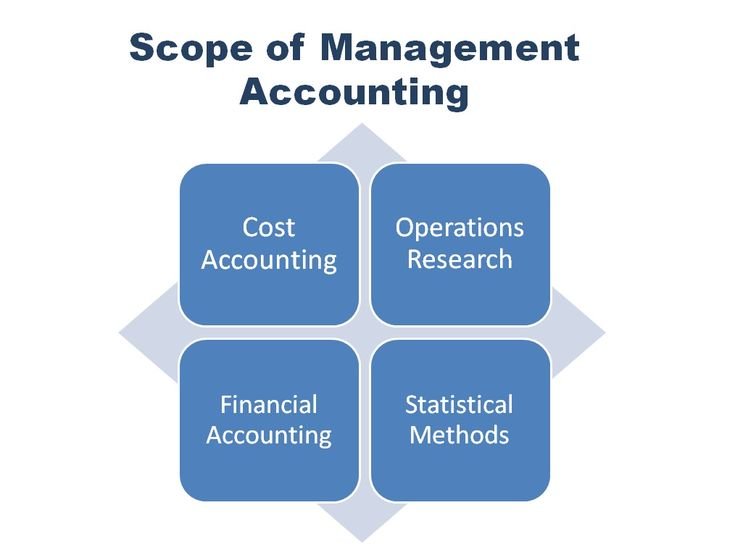
Accounting is not a monolithic field; it covers multiple domains that serve different purposes. Here are the key areas
Financial Accounting
Financial accounting focuses on recording transactions, preparing financial statements, and providing accurate information to external stakeholders like investors, banks, and regulatory authorities. Professionals in this area ensure compliance and transparency, making it one of the most traditional yet essential components of accounting
Management Accounting
Management accounting emphasizes internal decision-making. It provides insights that help managers make strategic choices regarding budgeting, cost control, and resource allocation. This branch is vital for improving efficiency and profitability
Auditing
Auditing involves examining financial records to ensure accuracy and compliance. It can be internal, for organizational improvement, or external, to assure investors and regulators of the company’s financial health. Auditing safeguards accountability and strengthens stakeholder trust
Taxation
Tax accounting manages the calculation, reporting, and planning of taxes. Understanding taxation regulations and staying compliant is a critical component of the scope of accounting, as it directly affects business strategy and profitability
Forensic Accounting
Forensic accounting investigates financial fraud, embezzlement, and financial disputes. Professionals in this field analyze records for legal purposes, helping organizations detect and prevent fraudulent activities
Emerging Areas Expanding the Scope of Accounting
The scope of accounting is evolving with technology and globalization. New areas include
Accounting Information Systems
These systems combine accounting knowledge with IT skills to manage financial data efficiently. They enable automation, real-time reporting, and data analytics for faster decision-making
Sustainability Accounting
As businesses prioritize environmental and social governance, sustainability accounting is growing. It evaluates financial implications of ecological impact and corporate responsibility initiatives
International Accounting
Global trade and multinational operations have increased the need for international accounting expertise. Professionals must navigate diverse accounting standards, currency conversions, and cross-border taxation
Career Opportunities Within the Scope of Accounting
Accounting offers diverse and lucrative career paths for both beginners and seasoned professionals. Here are some of the key roles
Accountant
Handles daily financial transactions, prepares statements, and ensures compliance. Accountants form the backbone of financial reporting
Auditor
Reviews financial statements and operational processes to ensure accuracy, reduce risk, and comply with regulations
Financial Analyst
Analyzes financial data to guide business decisions, budgeting, and investment strategies
Tax Consultant
Advises individuals and companies on tax planning, compliance, and risk mitigation
Management Accountant
Provides internal reports and insights to improve operational efficiency and profitability
Forensic Accountant
Investigates financial irregularities, fraud, and legal disputes for organizations or courts
CFO (Chief Financial Officer)
Leads strategic financial planning, oversees accounting departments, and shapes long-term financial strategy
Skills Required to Excel in Accounting
Success in accounting requires a blend of technical knowledge, analytical skills, and soft skills
- Analytical Thinking Understanding financial patterns and trends
- Attention to Detail Accuracy is critical in financial reporting
- Technology Proficiency Familiarity with accounting software and ERP systems
- Communication Skills Explaining financial information clearly to stakeholders
- Ethical Judgment Maintaining transparency and integrity in all financial matters
Advantages of Pursuing a Career in Accounting
The scope of accounting offers many advantages
- Job Stability Every organization needs accountants
- Diverse Career Paths From corporate finance to auditing to forensic accounting
- Competitive Salaries Accounting roles are well-compensated worldwide
- Continuous Learning Opportunities to specialize in taxation, management, or international accounting
- Professional Growth Certifications like CPA, CMA, and ACCA boost career prospects
Future Trends Expanding the Scope of Accounting
Accounting is evolving due to technological innovations and global economic changes. Key trends include
- Automation Software and AI are streamlining routine tasks
- Data Analytics Accounting now involves analyzing large datasets to guide strategy
- Blockchain Enhances transparency, security, and efficiency in financial transactions
- Sustainability Reporting Companies are increasingly accountable for environmental and social governance
- Global Compliance International trade requires knowledge of cross-border regulations
Summary Table of Scope of Accounting
| Area | Key Focus | Career Opportunities |
|---|---|---|
| Financial Accounting | Reporting, compliance, transparency | Accountant, Auditor |
| Management Accounting | Internal decision-making | Management Accountant, CFO |
| Taxation | Planning and compliance | Tax Consultant, Auditor |
| Auditing | Accuracy, risk management | Auditor, Forensic Accountant |
| Forensic Accounting | Fraud investigation | Forensic Accountant |
| Accounting Information Systems | IT integration, automation | Systems Accountant, Data Analyst |
| Sustainability Accounting | ESG reporting | Sustainability Analyst, Consultant |
| International Accounting | Global standards, cross-border | International Accountant, Advisor |
Conclusion
The scope of accounting extends far beyond traditional bookkeeping. It offers diverse career paths, technological integration, and global opportunities. From financial reporting to auditing, taxation, and sustainability, accounting professionals play a crucial role in shaping business strategies and ensuring organizational success. Whether you aim for a traditional role or want to explore emerging areas like forensic accounting or sustainability accounting, the field is rich with possibilities. Understanding this scope is essential for students, professionals, and business leaders who want to harness the power of accounting for growth, decision-making, and long-term success
Accounting is not just about numbers; it’s about insights, strategy, and the ability to navigate a complex financial world. By exploring the full scope of accounting, you can align your career with a path that offers stability, growth, and professional satisfaction